Spring Festival Birding Notes: Guangzhou
Translated by ChatGPT.
In February, I couldn’t go birding every day off as I did in January, because I had to return home for the Spring Festival. Even so, I still did my best to squeeze in some birding along the way.1
Although I lived in Guangzhou (广州) for six years, I mostly stayed on campus and never paid much attention to the birds around me. (Sun Yat-sen University South Campus (中山大学南校区) actually has plenty of vegetation, yet I never noticed the birds there.)
This time, while returning to China for the New Year, I reserved half a day to visit Haizhu Wetland Park (海珠湿地公园). I arrived after 3 p.m. I got off at Longtan Metro Station (龙潭地铁站) and entered through the park’s North Gate, paying 20 RMB for the ticket. Even before entering, I could already see a small patch of wetland. In the trees there, I spotted a Sooty-headed Bulbul (Pycnonotus aurigaster). This species is not common in Singapore.
From the North Gate to Green Heart Lake (绿心湖), I added a Chinese Blackbird (Turdus mandarinus). In the wetland park, blackbirds seem to occupy a role similar to Javan Mynas in Singapore — they are everywhere. There were Little Grebes on the lake, but every time I raised my camera, they dived underwater. On trees by the lakeside were unknown berries, and I saw Red-whiskered Bulbuls feasting on them. On the lotus leaves floating on the lake, I saw a White Wagtail (Motacilla alba). Last year, a friend helped me identify it through online birding tools, but this was my first time seeing one in person — a lifer for me.
After lingering around Green Heart Lake for quite a while, I headed deeper into the park toward Huaxi (花溪). On a bridge, I met a boy who looked like he might still be in high school. He was photographing a Common Kingfisher using his phone with an attachable lens. We chatted briefly, and I took a photo of his lens setup.2 On a platform by Huaxi, I saw another Red-whiskered Bulbul, and a blue-backed, white-cheeked bird flashed by too quickly for me to even take out my phone.
Whenever I encounter a bird I’ve never seen before, I strongly want to know its species. For me, knowing a bird’s species is a crucial first step in truly knowing the bird. My memory isn’t particularly strong; without a cognitive anchor, it’s hard for me to retain further details. What does the bill look like? What about the eye-ring? The neck? These details are easily forgotten. In A Wizard of Earthsea by Ursula K. Le Guin, the importance of true names is emphasized — a true name corresponds to the essence of a thing’s existence.
Once you have understood a clover’s shape, scent, and seeds — its roots, leaves, and flowers through the four seasons — you will know its true name and grasp the essence of its being. That is more important than knowing its uses.
For me, being able to identify a bird is an important step toward knowing its “true name,” but it cannot end there.
The mini program of the China Bird Report Center (中国观鸟记录中心) is somewhat difficult to use. Its observation list only shows the common name and scientific name; at the very least, it should link directly to a species detail page. That way, when I see a bird, I could compare it directly with my previous records. eBird does this much better. In Singapore, my workflow is simple: when I see an uncertain bird, I jot down its main features, then jump from the nearest eBird hotspot’s recent observation list to the species page for comparison. The China Bird Report Center still has room for improvement.
Around 5 p.m., I made a slight detour back toward the North Gate to have dinner. On the way, I encountered a sunbird with a vivid crimson throat. Was it a Crimson Sunbird or a Fork-tailed Sunbird? After watching a related video on Bilibili (哔哩哔哩), I concluded it was more likely a Fork-tailed Sunbird.
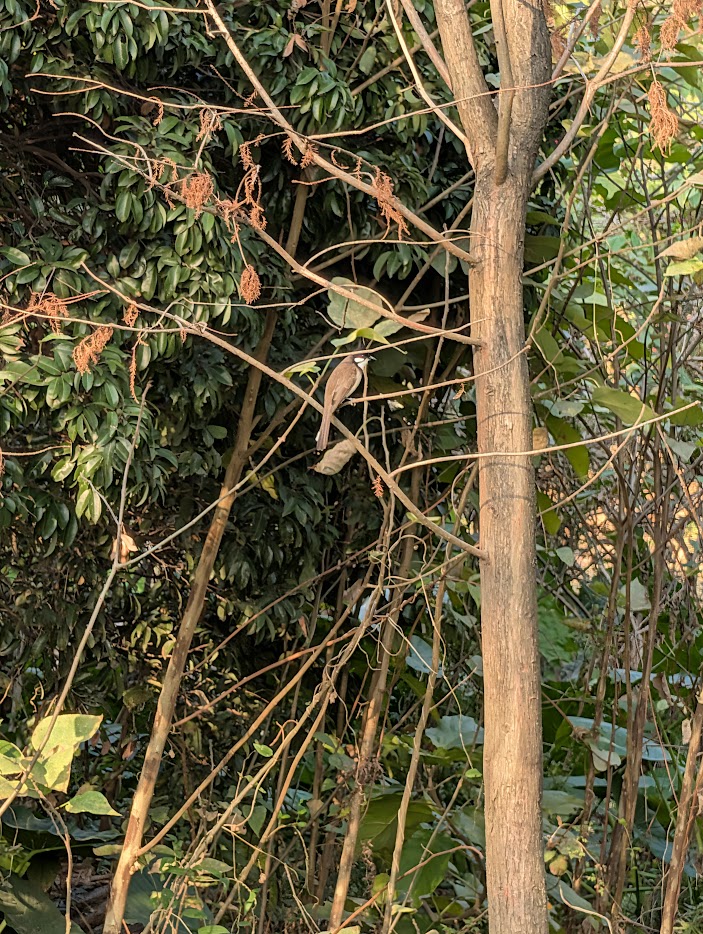
Figure 1: Red-whiskered Bulbul
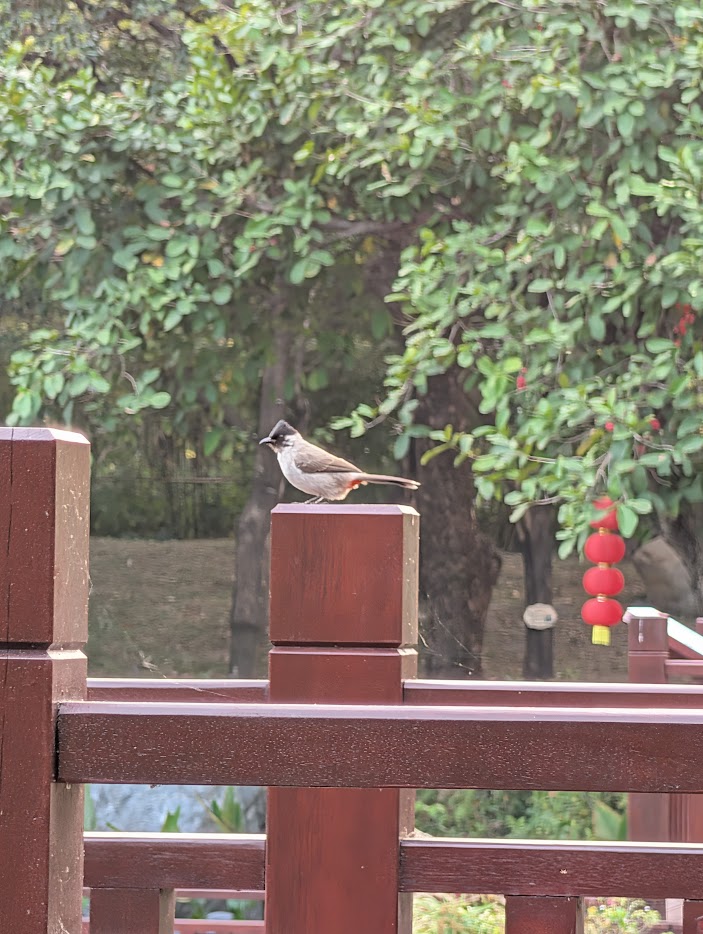
Figure 2: Sooty-headed Bulbul
The next day, I had arranged to meet a friend for yum cha at noon.3 I woke up early and wandered over to Sun Yat-sen University South Campus (中山大学南校区). Along a canal, I saw a flock of Little Egrets. Among them, one had the two long breeding plumes — my first time seeing that in person. I’m not sure whether I simply never noticed before, or whether Guangzhou’s ecology has genuinely improved.
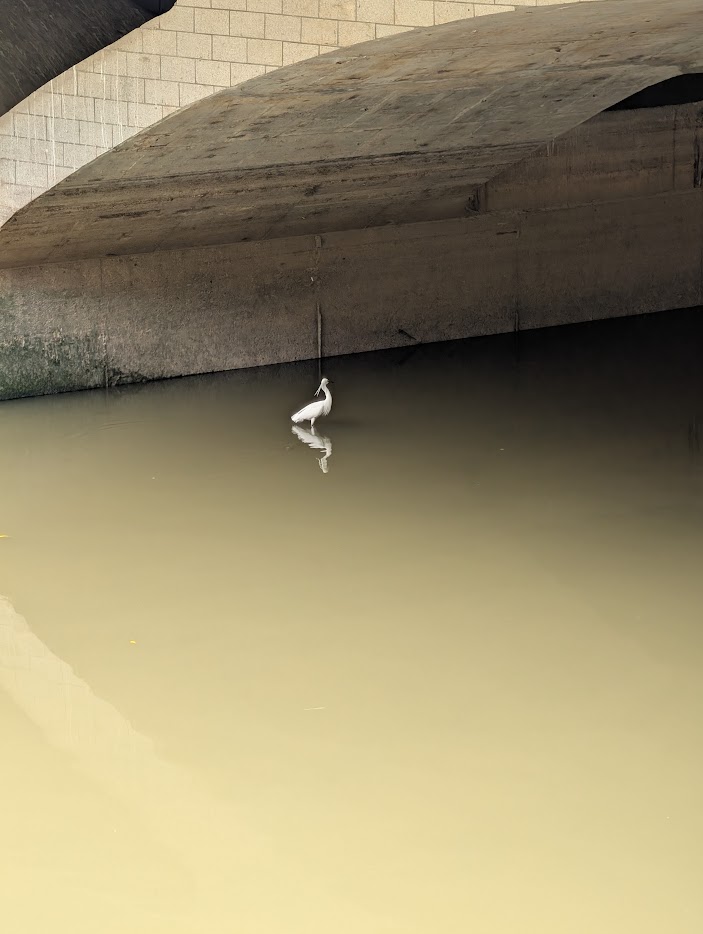
Figure 3: The elegant breeding plumes of a Little Egret
I entered through the South Gate and walked northward. On trees opposite the School of Foreign Languages, I saw a Japanese White-eye. Near the library and the old clock tower stood a blooming kapok tree. On it, I saw a bird I couldn’t identify, along with several Red-whiskered Bulbuls. On nearby trees and lawns, there were several blackbirds. The day was overcast and somewhat cold.
After the meal, I went to Ersha Island (二沙岛). On trees facing the Pearl River (珠江), two Yellow Bitterns were perched — encountering a familiar bird far from home brought a quiet joy. On my way from the riverside toward Ersha Island Metro Station (二沙岛地铁站), among a few pigeons (or perhaps blackbirds), a Black-collared Starling (Gracupica nigricollis) strolled calmly past. It was the only new species I added that day.
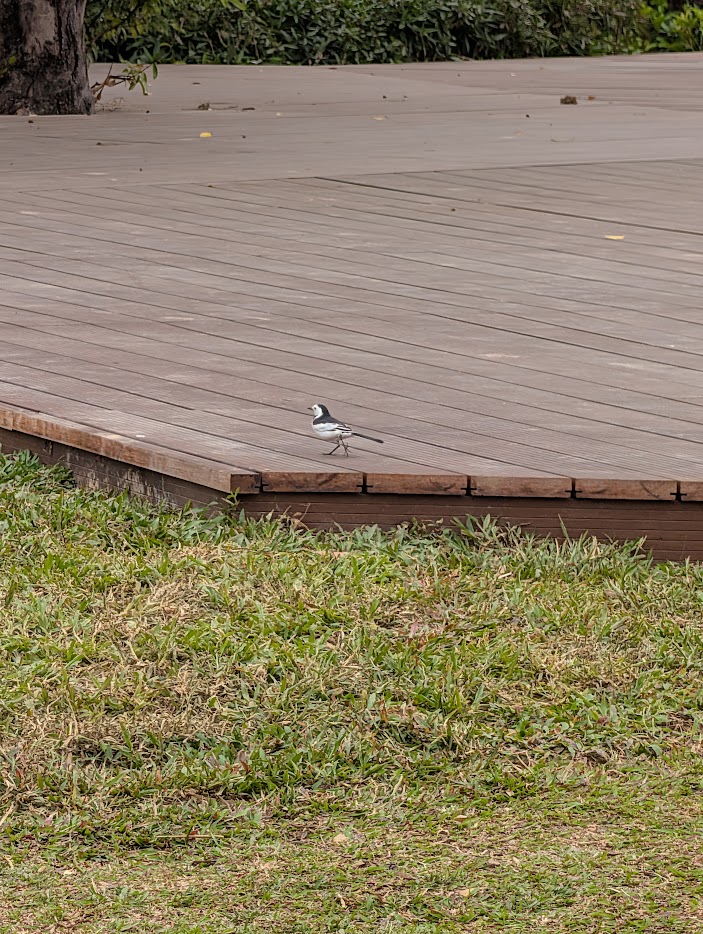
Figure 4: The White Wagtail I failed to photograph clearly the day before
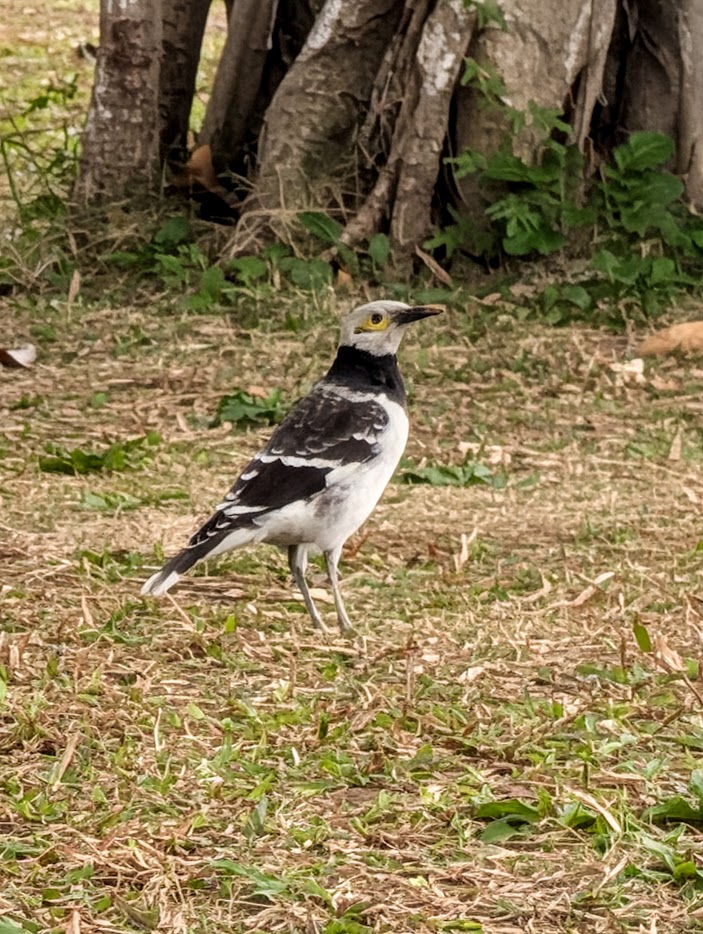
Figure 5: Although blurry, the diagnostic features of the Black-collared Starling are clear
That very day, I took a long-distance bus back to my hometown. It was a route I hadn’t taken before, departing from Chebeinan (车陂南). Beside the stop stood a kapok tree already in bloom. Raising my binoculars, I could see several Red-whiskered Bulbuls and sunbirds among the flowers — some small consolation for not being able to get a high-speed rail ticket.
Footnotes
-
Mainly thanks to my Svbony SV8 8x25 compact binoculars — small enough to fit in my pocket and bring home easily. ↩︎
-
Follow-up: I bought one myself, tried it, found it ineffective, and returned it. ↩︎
-
It may sound contradictory, but it wasn’t: we had dim sum in the style of yum cha, but at noon. When I previously lived in Shenzhen, I was surprised to find that some yum cha places only opened at 10 a.m. ↩︎